5 Love Languages: How They Work & What They Mean for Your Relationship
Quick answer: The 5 love languages, defined by marriage counselor Dr. Gary Chapman, are words of affirmation, quality time, receiving gifts, acts of service and physical touch. Knowing your own love language and your partner’s helps you show love in the way each of you feels it most.
Have you ever felt like you are giving everything in a relationship but your partner still feels unloved? Or maybe you are the one feeling unseen despite knowing your partner genuinely cares. This happens more often in relationships.
It does not mean you or your partner does not love you. It is a mismatch because yours and your partner’s love language is different. Some studies suggest that people feel more satisfied in relationships when their partners express affection in ways they personally value.
Dr. Gary Chapman who is a marriage counselor and author, identified 5 distinct ways people give and receive love. He called them the 5 love languages.
These languages do not only apply to romantic relationships. They show up in friendships, family bonds and even workplace relationships.
In this article, we will explain all 5 love languages and what each one means. We will also discuss how to identify your own love language and how understanding them can make any relationship stronger.
What is a Love Language?
A love language is the primary way a person gives and receives love. Everyone has one. It is the emotional method that makes a person feel most seen, valued and cared for.
When two people in a relationship speak different love languages, love can get lost in translation even when both are genuinely trying.
Think of it like an emotional bank account. Every loving action is a deposit. But if a partner keeps depositing in the wrong currency, the account stays empty. Not because love is absent but because it is not landing in a way the other person can actually feel.
Knowing your own and your partner’s love language is the foundation of stronger communication and deeper connection.
Who Created the 5 Love Languages?
Dr. Gary Chapman is a marriage counselor and author with decades of experience working with couples. Over the years he noticed a clear pattern.
Couples were putting in real effort but still feeling emotionally disconnected. To address this he wrote “The 5 Love Languages: The Secret to Love That Lasts,” one of the most influential relationship books ever published.
Chapman studied anthropology and linguistics. This background shaped how he understood human emotional communication. He compared love languages to spoken languages.
Just like a Chinese speaker and an English speaker struggle to understand each other, partners with different love languages face the same gap. Every love language also has many dialects.
There are countless ways to express the same language. The book has sold millions of copies worldwide and remains one of the most widely used relationship frameworks in counseling and therapy today.
What are the 5 Love Languages?
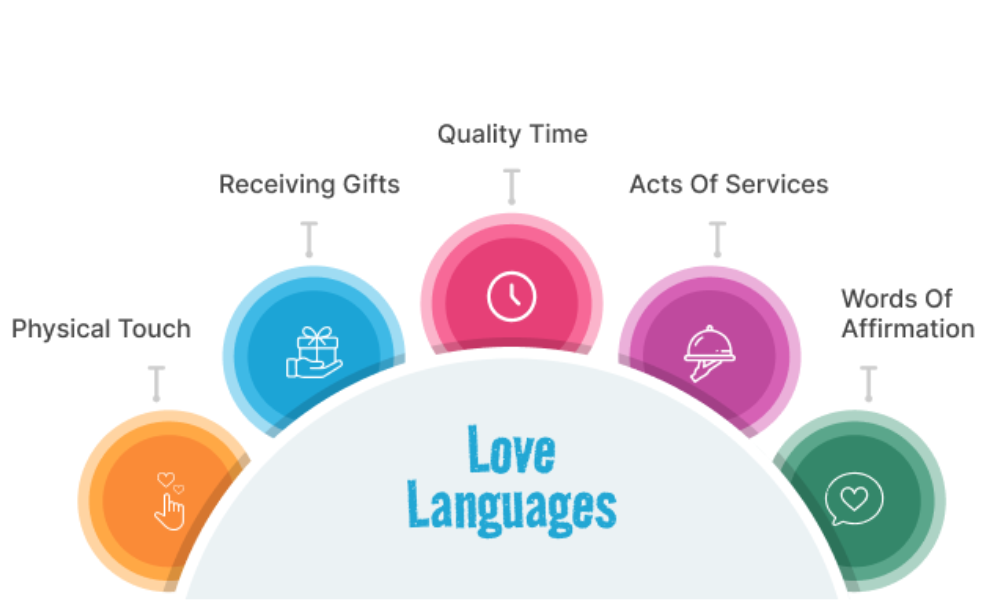
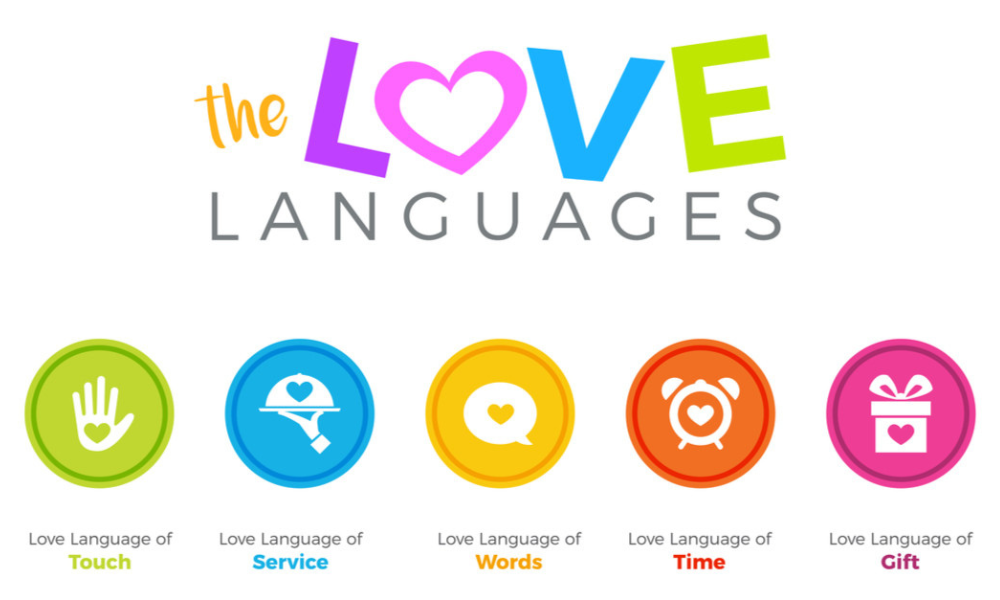
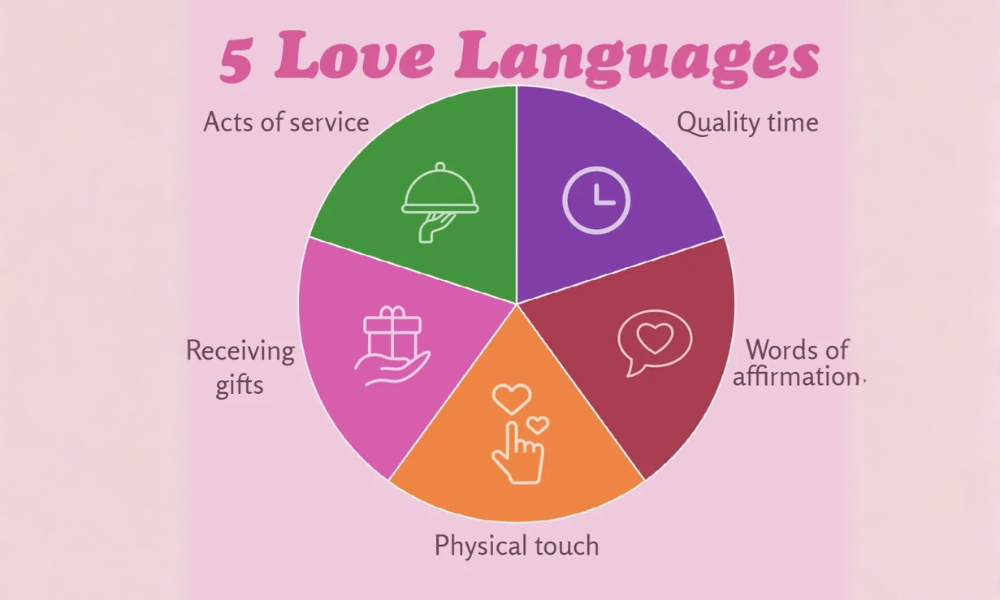
Dr. Gary Chapman identified 5 distinct ways people express and receive love. Most people relate to all five to some degree. But everyone has one primary language that resonates the most and shapes how they experience love in relationships.
The 5 love languages are:
- 💬 Words of Affirmation: feeling loved through verbal and written appreciation
- ⏰ Quality Time: feeling loved through undivided attention and shared presence
- 🎁 Receiving Gifts: feeling loved through thoughtful gestures and visual symbols of love
- 🤝 Acts of Service: feeling loved through helpful actions and shared responsibilities
- 🤗 Physical Touch: feeling loved through physical affection and closeness
The 5 Love Languages: Traits, Signs and How to Respond
Every love language reflects a unique emotional need. People are not difficult or demanding when they have specific needs in relationships. They simply speak a different language.
Understanding each love language and recognizing which one resonates most, can completely change how a person shows up in their relationships and how deeply they connect with others.
1. Words of Affirmation

People with this love language feel most loved through words. Verbal appreciation, genuine compliments and encouraging words fill their emotional love tank.
Authenticity matters most. Empty flattery does not work for them. They need words that come from a real and honest place.
Suppose a partner comes home after an exhausting day at work. Their Words of Affirmation partner looks at them and says “I am really proud of everything you are handling right now.” That one sentence does more for them than any gift or grand gesture ever could.
Signs this is your love language:
- You feel deeply loved when someone verbally appreciates your efforts
- Harsh or critical words stay with you long after the moment has passed
- Hearing “I love you” regularly feels necessary not optional
- You feel unseen when your efforts go unacknowledged
- A heartfelt text or handwritten note means the world to you
How to love someone with this love language?
Give specific compliments daily and explain the reason behind them. Say “I love you” often and mean it. Acknowledge their efforts even for small everyday things.
Never assume they know how you feel instead say it out loud. Be mindful of tone because harsh words land much harder than intended. Avoid silent treatment as it feels like emotional withdrawal to them.
Words of Affirmation can be learned like a skill. Small consistent effort creates a lasting emotional difference.
2. Quality Time

For Quality Time people, undivided attention is the highest form of love. It is not just about being in the same room. It is about being fully present. Phone down, TV off and mind completely focused on the person in front of them. Anything less feels like a half effort.
Suppose two partners sit down for dinner. No phones on the table, no TV in the background. They just talk and truly listen to each other. For a Quality Time person that simple evening means more than any expensive anniversary gift ever could.
Signs this is your love language:
- You feel emotionally distant when time together keeps getting postponed or cancelled
- Shared experiences and making memories together matter deeply to you
- You feel most loved during meaningful one on one conversations
- Distractions during time together feel disrespectful and hurtful
- You would rather have two hours of real presence than a whole day of half attention
- You feel closest to someone when they prioritize time with you over other things
How to love someone with this love language?
Plan regular one on one time with zero distractions. Put the phone completely away and make eye contact. Do activities they enjoy even when it is not a personal favorite.
Show up on time and follow through on plans. Never cancel without a good reason. Prioritize them in the schedule consistently because for this person being chosen feels like being loved.
Quality Time is not about the number of hours spent together. It is about the quality of attention given during those hours.
3. Receiving Gifts

This love language is often misunderstood as materialism. But it has nothing to do with price tags or expensive things. People with this love language feel most loved when they receive a thoughtful gesture. Something that shows the other person was thinking of them even when they were not around.
Suppose a partner travels for work and comes back with a small souvenir. Nothing expensive. Just something they picked up because it reminded them of their partner.
Signs this is your love language:
- You treasure meaningful presents long after receiving them
- Missed birthdays or forgotten anniversaries feel deeply hurtful
- Small surprise gestures make your whole day instantly better
- You put a lot of thought into the gifts you give to others
- You feel most loved when someone remembers a small detail and acts on it
- The absence of everyday small gestures makes you feel forgotten and unimportant
How to love someone with this love language?
Keep a note of things they casually mention wanting or liking. Give surprise gifts with no occasion needed because unexpected gestures mean the most. Bring back small tokens from trips or outings.
Focus on meaning over monetary value always. Handmade or personal gifts carry extra emotional weight. Honor special occasions like birthdays and anniversaries with genuine thoughtfulness and never let them pass unacknowledged.
Chapman calls gifts “visual symbols of love.” They represent thought, care and the simple fact that someone was thinking of their partner even when they were apart.
4. Acts of Service

For Acts of Service people, actions genuinely speak louder than words. When someone steps in to help without being asked, it communicates love more powerfully than any compliment or gift. They feel most valued when a partner makes their daily life a little easier.
Suppose a partner comes home completely drained after a long and difficult day. Without saying a word, the other partner quietly does the dishes, tidies up and makes a cup of tea. For an Acts of Service person that small gesture fills their love tank completely.
Signs this is your love language:
- You feel deeply appreciated when someone helps without waiting to be asked
- You show love to others by doing things for them naturally and instinctively
- Broken promises and laziness feel like personal rejection to you
- You notice and deeply value when someone anticipates your needs before you voice them
- You feel most loved when a partner steps in during your most stressful moments
- You believe real love shows up in consistent helpful actions not just kind words
How to love someone with this love language?
Pay attention to what stresses them out and quietly step in. Do small helpful tasks consistently without being asked. Follow through on every commitment no matter how small it seems.
Anticipate their needs before they have to ask. Never make promises that cannot be kept. Show up during their busiest and hardest moments because that is when it matters most to them.
Not all acts of service carry equal weight. Finding out which specific actions matter most to a partner is the real key.
5. Physical Touch

Physical Touch is not only about romantic intimacy. It is about the warmth, safety and connection that comes from physical closeness. A hug, a hand held during a walk, a gentle touch on the shoulder, these small moments communicate love and presence in a way that words simply cannot.
Suppose two partners are watching a movie at home. Without saying anything, one reaches over and holds the other’s hand. For a Physical Touch person that quiet simple gesture says more than a long heartfelt conversation ever could.
Signs this is your love language:
- You feel emotionally disconnected when physical affection is absent for too long
- Public displays of affection feel natural and welcome to you
- You instinctively reach out to touch the people you care about
- A long hug during a hard moment means everything to you
- You feel closest to your partner through physical presence not words or gestures
- Physical intimacy feels like a deep emotional need not just a physical one
How to love someone with this love language?
Hug them often and make it meaningful, not rushed. Hold hands in public and during quiet moments at home. Make physical contact a natural part of daily life.
Offer a back rub after a hard day. Never withdraw physical affection during arguments because it feels like abandonment to them. Initiate affection regularly without waiting to be asked because for this person touch is how love is felt most deeply.
The roots of this love language often trace back to childhood. How a person received physical affection early in life shapes how they experience and need it as an adult.
Do Men and Women Have Different Love Languages?
Research shows that men and women tend to have slightly different love language preferences. Both genders rank Quality Time as their top love language. But some notable differences show up when looking at the full picture.
| Love Language | Women | Men |
| Quality Time | 41% | 38% |
| Words of Affirmation | 23% | 20% |
| Physical Touch | 19% | 25% |
| Acts of Service | 12% | 13% |
| Receiving Gifts | 5% | 4% |
The biggest difference is in Physical Touch. Men prefer it at a noticeably higher rate than women. Women on the other hand show a slightly stronger preference for Words of Affirmation. These differences may come from how men and women are raised and how they are taught to express emotions from a young age.
That said these are general patterns not universal rules. Many men prefer Words of Affirmation and many women prefer Physical Touch. Understanding a specific partner’s individual preference always matters more than any gender statistic.
Love Language Test: What is My Love Language?
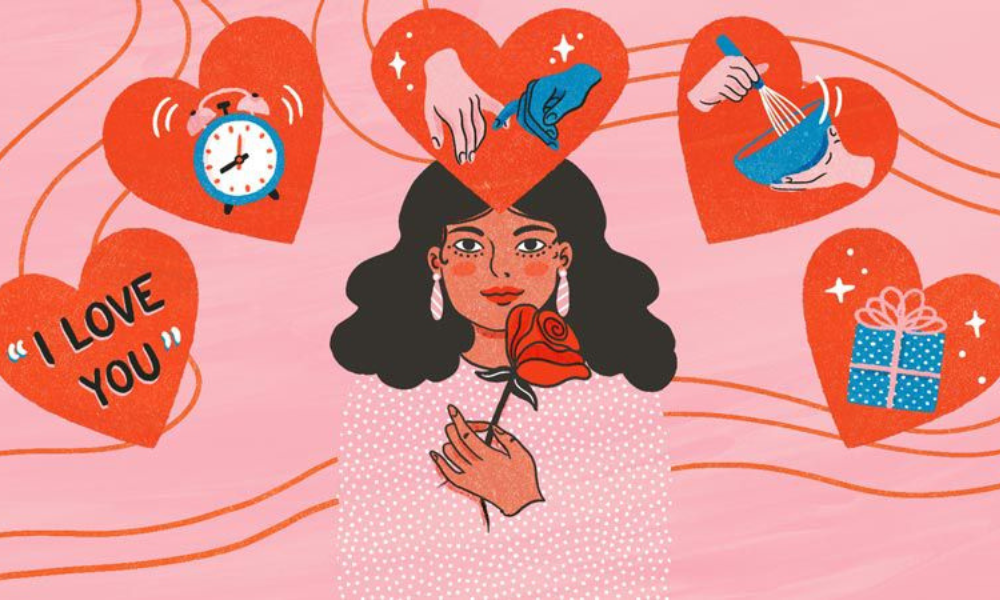
Not everyone knows their love language right away. That is completely normal. The table below is a quick and simple way to start identifying it. Read each question honestly and notice which love language comes up most often for you.
| Love Language | Questions to Ask Yourself |
| Words of Affirmation | Do you feel most loved when someone verbally appreciates you? Do unkind words stay with you long after the moment? |
| Quality Time | Do you feel disconnected when your partner is distracted during time together? Do cancelled plans hurt more than anything else? |
| Receiving Gifts | Do thoughtful gestures and surprises make you feel deeply seen? Does a missed birthday feel genuinely hurtful? |
| Acts of Service | Do you feel most loved when someone helps without being asked? Do broken promises feel like a lack of love to you? |
| Physical Touch | Do you feel emotionally distant without regular physical affection? Is a hug your natural response to comfort or connection? |
There are also some natural everyday clues that reveal a love language without any formal test.
- Watch how you naturally show love to others. People tend to give love the way they most want to receive it.
- Notice what you complain about most in relationships. Complaints reveal unmet emotional needs more honestly than anything else.
- Pay attention to what you request most often from a partner. Requests reveal what a person truly desires and needs.
- Think about what has made you feel most loved in past relationships. Those moments point directly to the language.
- Notice what hurts most when it is missing. The absence of a love language is just as revealing as its presence.
- Remember that love languages can shift over time. Major life changes and personal growth can change how a person gives and receives love.
For the most accurate result, the official 5 Love Languages quiz by Dr. Gary Chapman is available online and takes less than 10 minutes to complete.
What Happens When Love Languages Do Not Match?

Mismatched love languages are one of the most common reasons partners feel disconnected. Both people can be genuinely trying and still miss each other emotionally. It is not a failure of love. It is a failure of translation.
Suppose one partner sends sweet and loving messages throughout the entire day. They feel they are showing up fully. But the other partner just wants to curl up on the couch and cuddle at night.
Both feel unloved at the end of the day despite genuine effort from both sides. Neither one is doing anything wrong. They are simply speaking different languages.
- The partner giving love in their own language naturally assumes the other person feels it
- The partner receiving love in the wrong language feels unseen and unappreciated despite the effort
- Resentment builds slowly and quietly when emotional needs go unmet over a long period of time
- Neither person is wrong in this situation, they are simply speaking different emotional languages
- The solution is not trying harder in the same language, it is learning to speak the partner’s language instead
- An open and honest conversation about love languages can completely shift the dynamic in a relationship
Awareness is the first step. Willingness to adapt is what creates lasting change.
Are There More Than 5 Love Languages?
Dr. Gary Chapman’s original framework identified 5 love languages. But research has expanded this idea. Truity conducted a large scale study with over 500,000 participants and identified 2 additional love languages that show up commonly in modern relationships.
The original 5 remain the most widely recognized and used framework across counseling, therapy, and everyday relationships globally. Truity’s research added 2 new languages based on patterns observed in contemporary relationships.
Some researchers also suggest that love languages are more of a spectrum than fixed separate categories. Cultural background plays a role too. The way a love language is expressed and received can look very different depending on a person’s upbringing and cultural values.
Many people also find they have a primary love language and a secondary one that shows up in certain situations.
Across all models and frameworks the core principle remains the same. Understanding how a partner gives and receives love is what matters most.
Criticisms of the Love Language Theory
The 5 Love Languages framework is widely popular but it is not without valid criticism. Understanding its limitations helps people use it more effectively and honestly.
Some critics argue the theory is too simplistic. It does not fully account for culture, trauma, sexuality and intergenerational differences in how people experience love.
Therapist Sunny Motamedi warns that focusing too heavily on a fixed love language can limit personal growth and autonomy in a relationship. Some research suggests that couples do not necessarily need to share the same love language to have a happy relationship.
Cultural inclusivity is another concern. In some cultures direct verbal praise feels uncomfortable and love is expressed in very different ways. The theory also does not acknowledge that love languages shift over time.
As a person heals past wounds and develops healthier attachment patterns their love language often changes. Some people also misuse the concept to justify selfish behavior rather than making the effort to adapt to a partner’s needs.
Love languages are a useful starting point. They work best as a tool for curiosity and honest conversation rather than a fixed label that defines how a person must be loved forever.
Conclusion
The 5 love languages including Words of Affirmation, Quality Time, Receiving Gifts, Acts of Service and Physical Touch each represent a unique way of giving and receiving love. Every person has one that speaks to them the most.
Knowing a love language is only half the work. The other half is making the effort to speak a partner’s language even when it does not come naturally. That willingness is what builds real and lasting connection.
Want to understand yourself and your partner even more deeply? A person’s birth moon phase reveals even deeper emotional patterns and relationship needs. Try the free Moon Phase Soulmate Calculator to explore the full picture.
Frequently Asked Questions
Q: What is the most common love language?
Ans: According to Dr. Gary Chapman’s analysis of 10,000 people, Words of Affirmation is the most common love language. However a 2018 study by dating app Hinge found Quality Time to be the most common by a wide margin.
Q: Can a person have more than one love language?
Ans: Yes. Most people have a primary love language and a secondary one. The primary language is what fills the emotional love tank the most. The secondary one also matters but to a lesser degree.
Q: What happens when partners have different love languages?
Ans: Both partners can feel unloved even when both are genuinely trying. The love being given does not land because it is expressed in the wrong language. Open communication and a willingness to learn each other’s language is the solution.
Q: Can love languages change over time?
Ans: Yes they can. Major life events, personal growth and emotional healing can all shift a person’s primary love language. What felt most important at one stage of life may feel different years later.
Q: Are the 5 love languages scientifically proven?
Ans: The theory is not backed by peer reviewed scientific research. However many therapists and counselors find it a genuinely useful framework for helping couples understand and communicate their emotional needs more effectively.
Q: How do I find out my love language?
Ans: A person can start by noticing what they complain about most in relationships, how they naturally show love to others and what they request most often from a partner. The official Chapman quiz is also available online and takes less than 10 minutes.
Q: What is the rarest love language?
Ans: Receiving Gifts is generally considered the rarest love language. Most people do not rely on physical gifts to feel loved. For those who do, the thought and meaning behind a gift matters far more than its monetary value.